

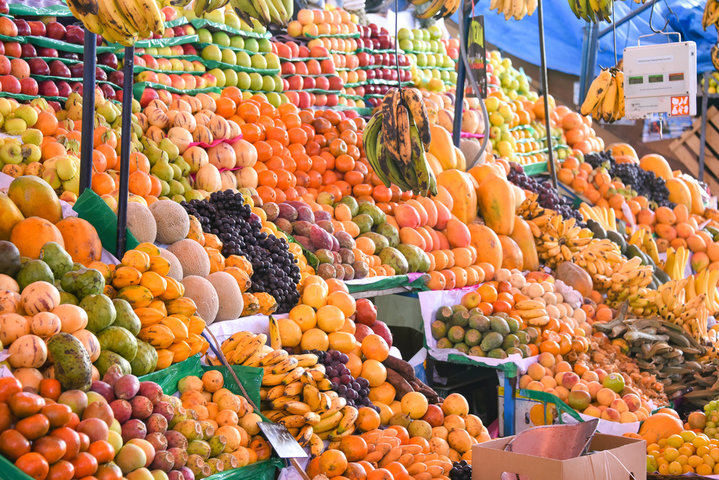
During the monsoon season, choosing the best Indian fruits to eat can help you enjoy the rainy weather while keeping your diet fresh and healthy. The monsoon season brings India much-needed rain, cooler temperatures, and a surge of greenery. However, along with the favourable weather conditions, the rainy season can also lead to changes in food safety and digestion.
In the monsoon season the humidity goes up and this can increase the risk of stomach infections if you eat or drink contaminated food or water. That is why it is especially important to choose fresh fruit and to keep proper hygiene.
Should that cause you to give up eating fruit during the rainy season?
Not at all.
Fresh fruit can still form a healthy part of your diet during the monsoon season. The important thing is to select the correct types of fruit, wash them properly, and avoid those fruits which have been cut and left out for a long time.
Let’s examine the Indian fruits that you can eat during the monsoon and those that need extra care.
What’s the reason for eating fruits during the monsoon season?
Fruits contain important nutrients including vitamins, minerals, fibre, antioxidants, and water. Yet in the rainy season food hygiene is every bit as important as the nutritional value of the food.
A simple rule to remember is:
A safer option is obtained by combining fresh fruit with clean water and giving it a proper wash.
It is usually better to buy whole, fresh fruit rather than fruit that has been pre-cut and sold by vendors at the side of the road since in that case you have more control over the way in which the fruit is handled and prepared.
Best Fruits to Eat During Monsoon
1. Pomegranate
Pomegranate is a fruit that is worthwhile adding to your diet during monsoon because it has antioxidants and fibre and can be easily made at home.
Before you cut the fruit, make sure you have washed it and then eat the fresh seeds shortly after you have removed them. Pomegranate can be included in a fruit bowl, in a salad, or it can be eaten by itself.
2. Apple
In India apples can be easily obtained and are suitable as a quick snack. Before you eat it, make sure that the apple is washed properly. You may eat it with the skin or peel it depending on your preference. It’s best to avoid apples that have been cut and left out for several hours.
3. Pear
Pear is also a simple fruit that can be part of your diet during the rainy season. It contains fibre and water and is a handy snack to eat between meals. When selecting pears make sure they are free from any bruises or signs of going bad and wash them properly before eating.
4. Jamun
Jamun is a seasonal fruit which is one of those associated with the Indian monsoon. It can be eaten fresh and makes a nice addition to a seasonal fruit plate. Before you eat jamun it is important to wash it thoroughly, particularly when you are buying it in a local market.
5. Plum
Plums are also a fruit that is available during the monsoon season. Their taste, which is both sweet and slightly tangy, makes them a refreshing snack. When you are buying plums, make sure that they are fresh and free from mould, excessive softness, or any damage.
6. Peach
Peaches can likewise be eaten during the rainy season provided that they are fresh and properly stored. Since peaches are rather delicate, it’s important to check them thoroughly before eating and to avoid any that are bruised, mouldy, or abnormally soft.
7. Papaya
In India papaya is commonly available and can be incorporated as part of a well-balanced diet. It provides fibre and is simple to prepare at home. It is better to eat a cut papaya fresh rather than leaving it at room temperature for a long time.
Fruits to Avoid or Be More Careful With During Monsoon
Here is an important distinction.
It is not essential that fruits listed below be unhealthy or entirely prohibited during the monsoon season; the primary issue lies in their freshness, how they are stored, the possibility of contamination, and the way in which they are handled.
1. Watermelon
Watermelon is generally connected with summer, but it can also be obtained during the rainy season. You needn’t altogether steer clear of watermelon, but care should be taken when it comes to watermelon that has already been cut and is left at a roadside stall.
Fruits that have a high moisture content can become more susceptible to contamination if they are left exposed for a long time. If you’re after a watermelon, then you should select a fresh one and cut it yourself.
2. Muskmelon
Muskmelon, or kharbooja, is a further example of a fruit with a high water content which needs special attention during the monsoon. Do not buy muskmelon that has been left out for an unknown length of time. Get a fresh melon, clean its outer surface properly, cut it at home and eat it fresh.
3. Grapes
You don’t have to completely avoid grapes during the monsoon. Yet they must be washed very well before eating, since dirt and microorganisms can end up between the grapes and around their stems. Get rid of any grapes that are leaking, mouldy, abnormally soft, or have a unpleasant odour.
4. Berries
Berries like strawberries can go bad fairly fast when they get wet. In the monsoon season you should take special care about their freshness.
If you see any mould or obvious spoilage, do not attempt to remove only the part that is affected; it is safer to throw away the whole fruit.
5. Overripe Bananas
Bananas are usually safe to eat during the monsoon season. The issue concerns bananas that are terribly overripe, damaged, leaking, or exhibit signs of spoilage. It is best to select bananas that are fresh and to eat them shortly after removing the skin.
The Biggest Monsoon Fruit Rule: Be Careful With Pre-Cut Fruits
If there is one habit you should follow during monsoon, it is this:
Do not buy fruit that has been pre-cut from sources that are not known or that are unhygienic. When you buy a plate of pre-cut fruit from a roadside vendor, you usually don’t know:
- How long the fruit has been sitting outside
- Whether clean water was used
- Whether the knife and cutting board were clean
- How the fruit was stored
- Whether flies or dust were exposed to the fruit
That is why it is usually safer to buy whole fruits and prepare them at home.
What concerning the consumption of fresh fruit juice during the monsoon?
Even though fruit juice might seem to be a healthy option, the way it is prepared is important.
Roadside juice may include water, ice, glasses, cutting equipment, and other ingredients which might not be handled in a hygienic way.
If you’re after juice then making it at home gives you greater control over the cleanliness. Whole fruit is usually a better choice on a day-to-day basis since it contains fibre and no extra sugar is needed.
A Simple Monsoon Fruit Guide
| Fruit | Monsoon Recommendation |
|---|
| Pomegranate | Good choice |
| Apple | Good choice |
| Pear | Good choice |
| Jamun | Good seasonal choice |
| Plum | Good seasonal choice |
| Peach | Good choice when fresh |
| Papaya | Good choice |
| Watermelon | Eat fresh; avoid pre-cut versions |
| Muskmelon | Eat fresh, avoid pre-cut versions |
| Grapes | Wash thoroughly |
| Berries | Check carefully for spoilage |
| Banana | Fine when fresh; avoid spoiled/overripe fruit |